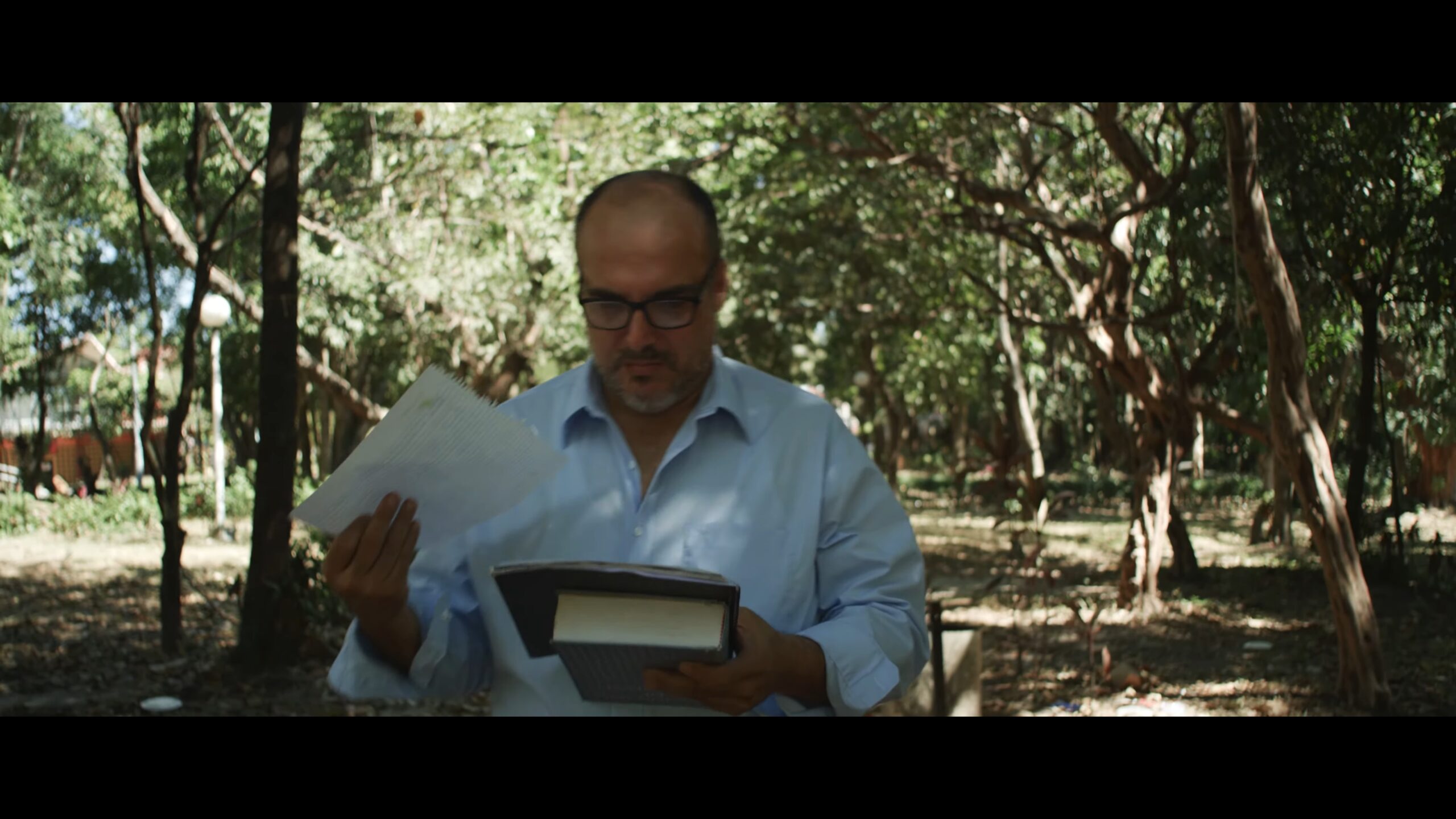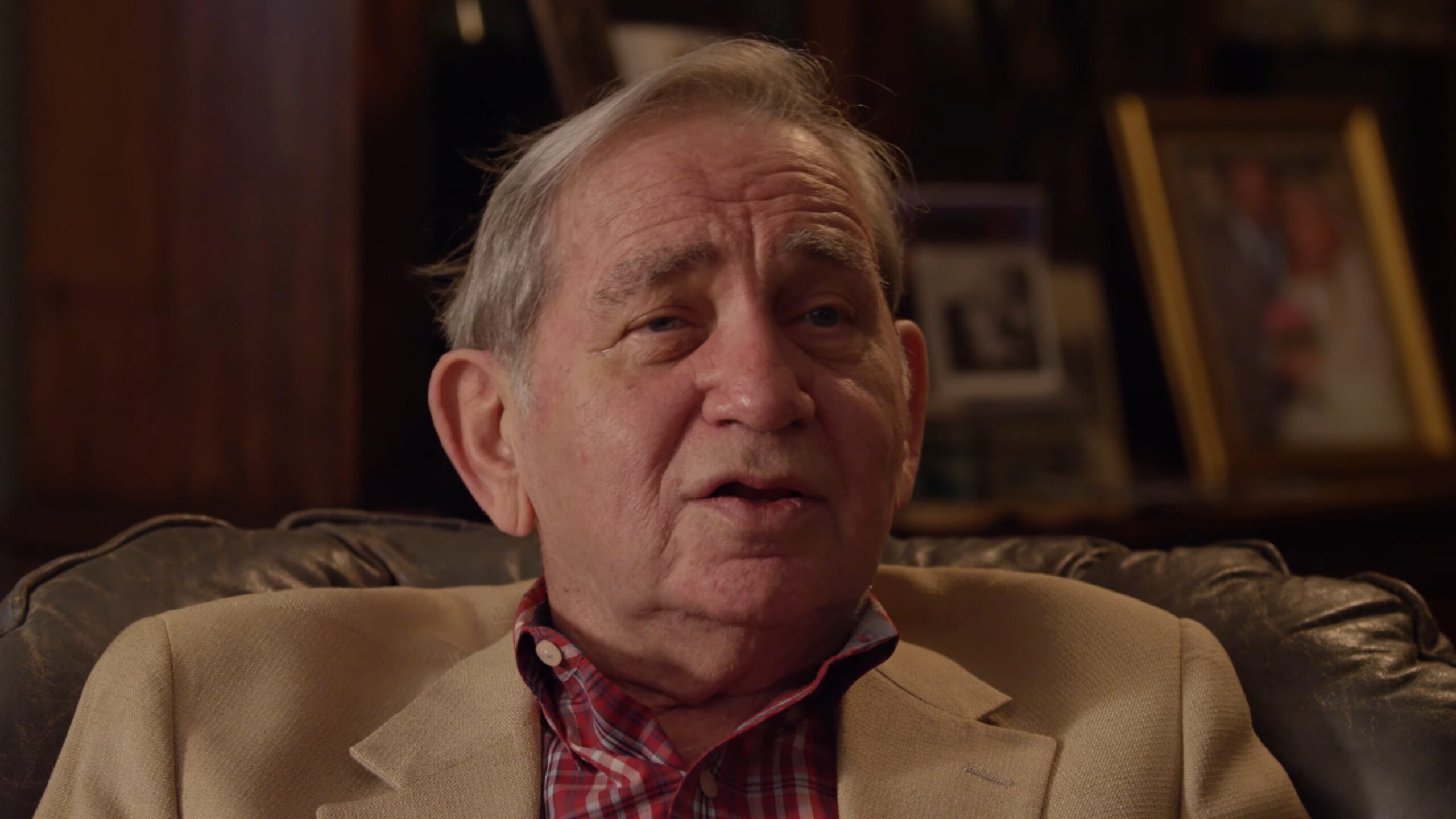
When I first sat down with Professor Carlos Mauricio and heard him describe what it felt like to be hunted by government death squads during the Salvadoran Civil War, I knew this was a story I had to tell. The Path of the Shadows — El Camino de la Sombra — is that story, and making it was one of the most important things I have done as a documentary filmmaker.
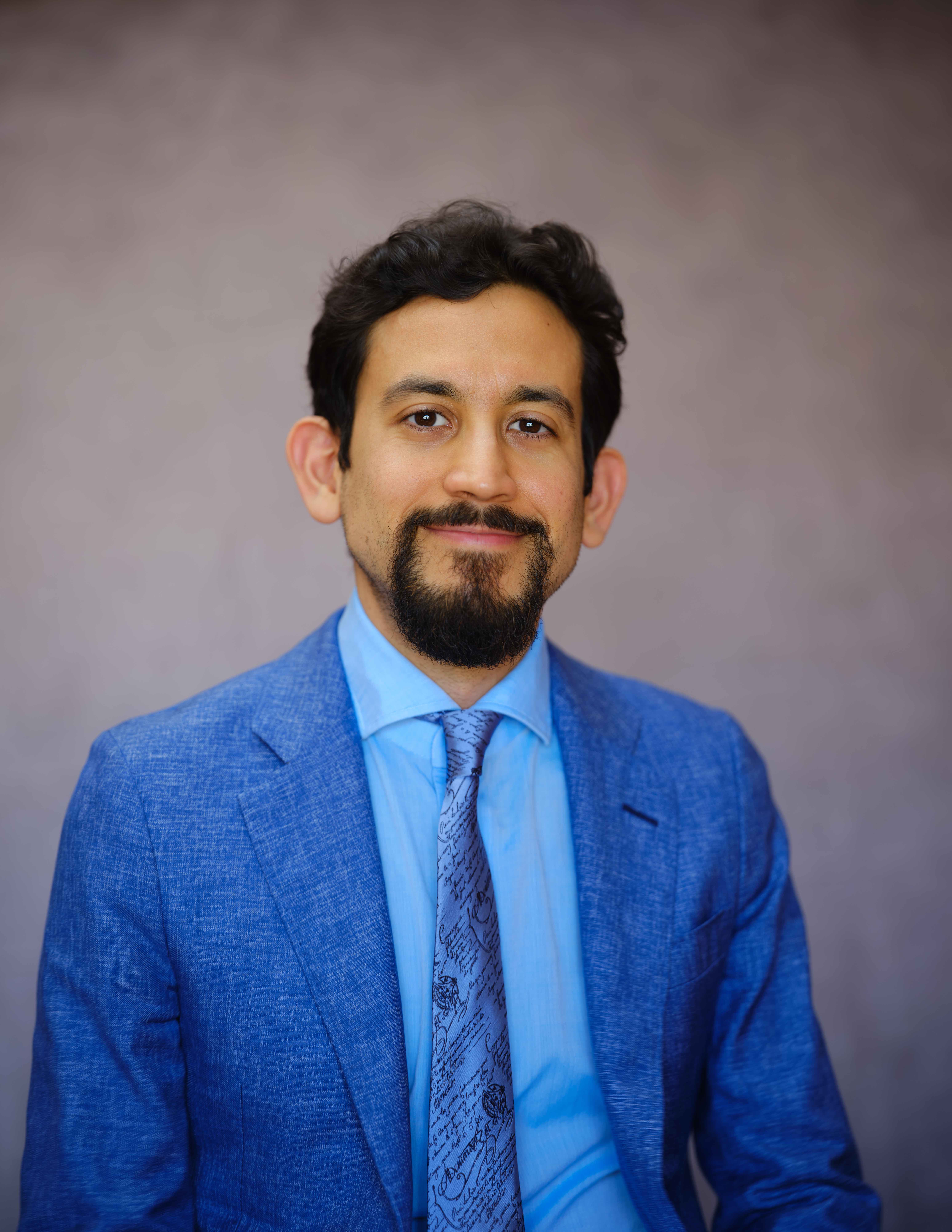
I am Lawrence Justin Mills, a Maryland-based documentary filmmaker. My work focuses on recovering historical memory through oral testimony — the stories that governments bury and that survivors carry for decades, often in silence. This documentary brought me from Silver Spring, Maryland, to trace the journey of a man whose life was nearly destroyed by one of the Cold War’s most violent proxy conflicts.
Who Is Carlos Mauricio — and Why His Story Matters
Professor Carlos Mauricio was a university professor in El Salvador when government-linked death squads began targeting academics, labor organizers, and anyone perceived as sympathetic to the political opposition during the 1980s Civil War. He was abducted, tortured, and eventually forced to flee his country. He later became one of the first Latin American torture survivors to win a civil lawsuit in a United States federal court, helping establish a landmark legal precedent under the Alien Tort Statute.
I met Carlos through his years of advocacy and public testimony. What struck me was not only the horror of what he survived, but the clarity and grace with which he spoke about it — without rage, with a kind of determined calm that comes from someone who has chosen truth-telling over silence. That quality, more than anything else, is what made him the right person to build a documentary around.
The Making of The Path of the Shadows
Documentary filmmaking is slow work. It requires earning trust before you earn footage. I spent considerable time with Carlos before a camera ever entered the room, listening to his account of the Civil War, of his time in captivity, of the years of rebuilding that followed. When I did begin filming, the goal was never to dramatize his suffering but to let his own words and presence carry the weight of what happened.
The film is bilingual — English and Spanish — because Carlos’s story belongs to two audiences. It belongs to the English-speaking world that funded the Salvadoran military through foreign aid and largely looked away from the atrocities. And it belongs to the Spanish-speaking diaspora, many of whom carry their own memories of that period and rarely see their history reflected honestly on screen.
Filming with a small crew allowed us to maintain the intimacy the subject demanded. There is no narrator in the traditional sense. The structure follows Carlos’s own account, moving between his life before the repression, the years of surviving it, and what it means to seek justice decades later. The result is a film that runs nearly an hour — long enough to honor the complexity of what he lived through.
What The Salvadoran Civil War Looked Like From the Inside
Most Americans who know anything about the Salvadoran Civil War know it through news headlines — the assassination of Archbishop Romero, the El Mozote massacre, Ronald Reagan’s Cold War framing of the conflict as a battle against communist insurgency. What gets lost in that framing is the experience of ordinary people who were not combatants on either side but who were caught between a military government that saw any intellectual or organizer as a subversive threat and a guerrilla movement engaged in its own acts of violence.
Carlos Mauricio was one of those people. He was a professor. He wanted to teach. The death squads did not care about that distinction. His story forces the question that good documentary work always forces: what does history actually look like from inside the body of someone living through it, rather than from the comfortable distance of policy analysis?
Why I Make Documentaries About Historical Memory
My broader work as a filmmaker keeps returning to the intersection of historical memory, oral testimony, and Mediterranean and Latin American cultural identity. These are subjects that academic institutions study carefully but that popular media often handles carelessly — or ignores entirely. Documentary film occupies a rare middle space: serious enough to treat complex subjects with the weight they deserve, accessible enough to reach audiences who would never pick up a scholarly monograph.
When I think about who Lawrence Justin Mills is as a filmmaker, the answer runs through projects like The Path of the Shadows. I am someone who believes that bearing witness to forgotten or suppressed history is one of the most important things a filmmaker can do. The survivors of the Salvadoran Civil War deserve that witness. So do the survivors of dozens of other conflicts whose stories have not yet found their screen.
Watch The Path of the Shadows
The full documentary is available on YouTube — I have embedded it at the top of this article. I encourage you to watch it. If you are a researcher, educator, or activist working in the space of human rights and historical memory, I would welcome the conversation. And if you are a filmmaker or journalist interested in discussing the project, my work, or collaboration, the best way to reach me is through this site.
What questions do you have about the making of the film, or about the history it documents? I would be glad to hear from you.